
Because not everything is a mystery in impact play.
BLOG
The neurochemistry of pain, the psychology of desire, and the craft of practice—the foundation beneath (almost) everything I do.
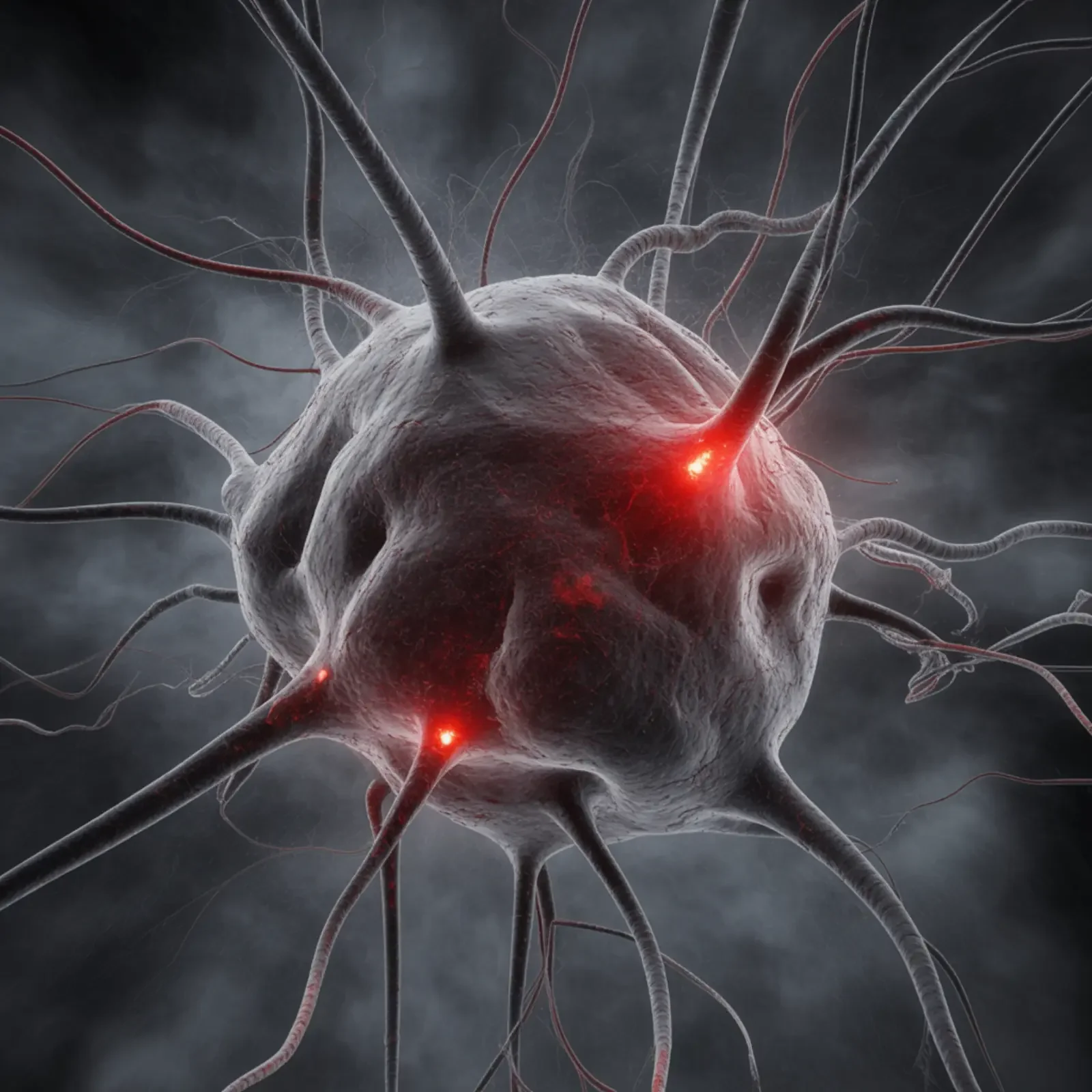
THE NEUROCHEMISTRY OF PAIN I: Opioids, Endorphins, Noradrenalin and Others
Bridging science and sexuality, this post explores why pain can feel erotic - revealing how, under the right psychological and relational conditions, the brain’s pain and pleasure systems interact to transform sensation into desire.

The Secondary High: Why Does it Feel so Good to Watch?
This piece delves into the neuroscience and psychology of watching impact play - how mirror neurons, arousal by proxy and deep archetypal resonance turn observation into an embodied, collective and profoundly erotic experience.

ALTERED STATE OF CONSCIOUSNESS V: Why Does it Feel so F.cking Good?
Exploring the neuroscience of altered states, this post reveals how impact play can quiet the mind, heighten presence, and open a pathway to emotional release and transformation that last even after the scene ends.
ALTERED STATE OF CONSCIOUSNESS IV: The “Package”
This post explores how individual biology, personality and situational factors shape altered states in impact play, emphasizing that a Giver can guide and support - but never fully control - another person’s unique experience.

ALTERED STATE OF CONSCIOUSNESS III.: Communication
This post highlights how precise, intentional communication - both verbal and nonverbal - shapes impact play, guiding trust, safety, and flow while amplifying the participant’s experience in altered states.
ALTERED STATE OF CONSCIOUSNESS II: Rythm and Focus
This post explores how rhythm, repetition and meaningful focus in impact play guide attention, enabling participants to enter altered states where pain transforms into deep sensory and emotional immersion.

ALTERED STATE OF CONSCIOUSNESS I: Introduction
This post examines how impact play can induce profound altered states of consciousness, shifting perception, agency, and bodily awareness - much like meditation or trance - while triggering natural neurochemical rewards without the side effects of drugs.
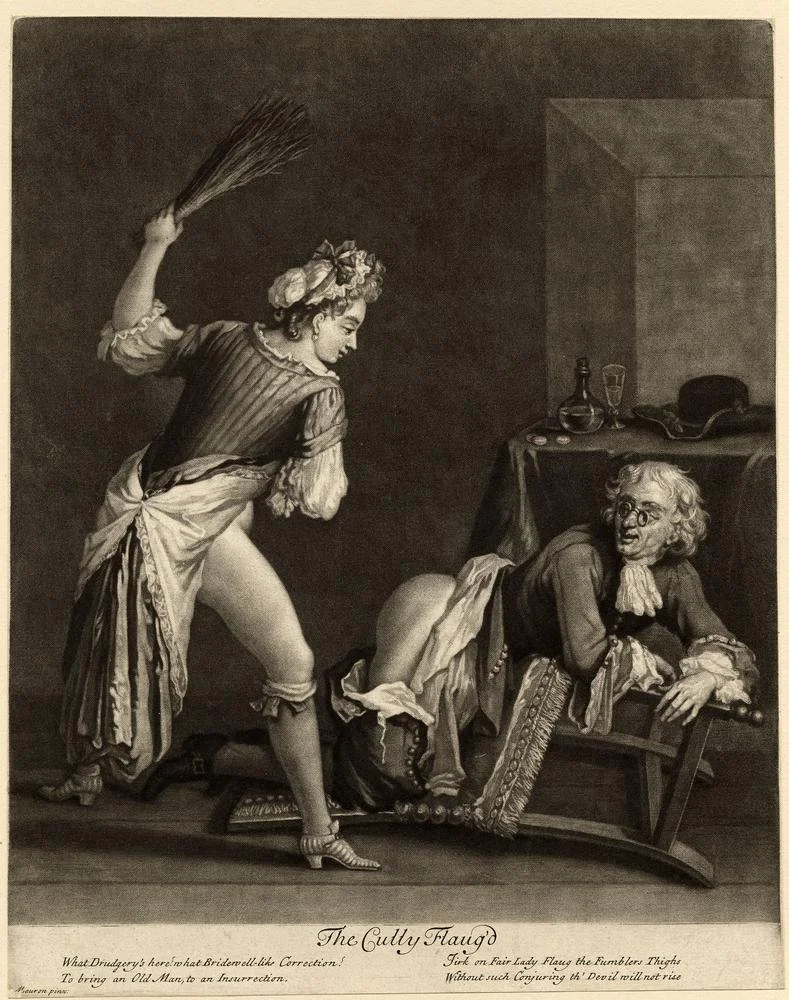
A Brief History of Impact Play
This post traces the history of impact play from ancient rituals and religious flagellation to erotic and BDSM contexts, showing how pain has long been intertwined with discipline, spirituality, and pleasure and how modern kink integrates skill, consent and neuroscience.
THE GATE THEORY OF PAIN III: Learning and the Brain
This post explores how refocusing the mind during impact play - guided by the Gate Control Theory of Pain - transforms managed pain into deeper pleasure, catharsis, and connection, highlighting the practice as both a skillful art and a neurological experience.

THE GATE THEORY OF PAIN II: Early vs. delayed neural reactions
This post explains how pain unfolds through different neural pathways, showing how pacing and rhythm in impact play allow slower C-fiber responses to trigger endorphins, transforming sharp sensations into euphoria and altered states of consciousness.
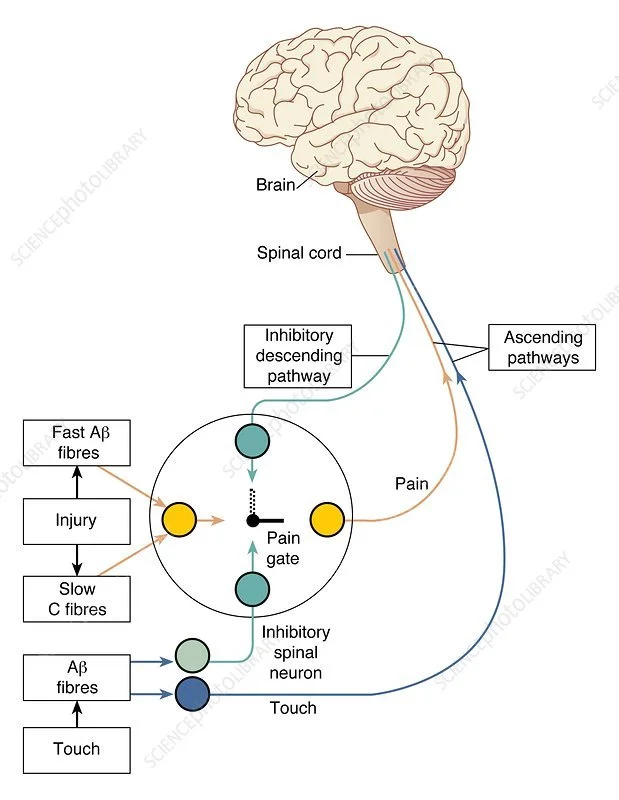
THE GATE THEORY OF PAIN I: The Multidimensional Experience
This post introduces Melzack and Wall’s Gate Control Theory, showing how pain is a dynamic, context-dependent experience and how understanding its neurobiology helps explain why consensual impact can transform sensation into pleasure.